Balsamic: Crafting Authenticity with Hand-Drawn Typography
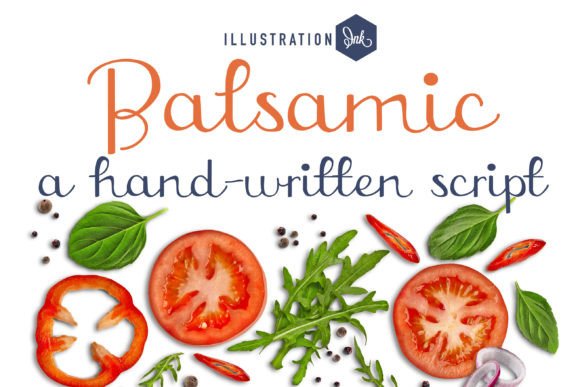
The subtle, hand-crafted quality of a typeface like Balsamic can instantly transform a digital design from sterile to soulful. In an era of polished perfection, this casual, upright script font offers a refreshing dose of human touch, making it a powerful tool for designers seeking to create genuine connections. Its crafty feel isn't just a stylistic choice; it's a strategic asset for building relatable brand identities and engaging visual narratives.
Handwritten fonts like Balsamic are characterized by their organic imperfections—the slight variations in letterform, the uneven spacing, and the subtle wobble that mimics natural handwriting. These traits break the monotony of geometric sans-serifs and rigid serifs, injecting personality and warmth into any project. While they can be challenging to use at small sizes due to their intricate details, their impact in the right context is undeniable, offering a direct line to nostalgia, whimsy, and authenticity.
Practical Applications for Modern Design
The versatility of a well-designed handwritten font extends across numerous creative and professional domains. Its ability to convey a specific mood makes it ideal for applications where emotional resonance is key.
- Branding and Logo Design: Balsamic can form the core of a brand's identity for businesses like artisan bakeries, boutique studios, or eco-friendly products, where a hand-made, personal feel is part of the value proposition.
- Marketing Materials: Use it for headlines on social media graphics, email headers, or promotional flyers to create an approachable and friendly tone that cuts through digital noise.
- Packaging and Product Design: On packaging, a hand-lettered font communicates care, quality, and a small-batch ethos, enhancing the unboxing experience.
- Editorial and Web Design: Sparingly, it can add flair to pull quotes, subheadings, or call-to-action buttons in blogs, magazines, or website hero sections, guiding the user's eye with a personal flourish.
- Invitations and Events: From digital invitations to wedding stationery, such fonts set a casual, celebratory mood perfectly.
Integrating Hand-Crafted Typography Effectively
Successfully incorporating a font like Balsamic into a professional design workflow requires thoughtful application. The goal is to enhance, not overwhelm, your visual communication.
Prioritize readability and hierarchy. Reserve handwritten type for short, impactful text—like logos, single-line headlines, or emphasis points. Pair it with a clean, highly legible sans-serif or serif font for body copy to ensure clarity. This contrast creates a dynamic visual hierarchy that is both engaging and easy to navigate.
Consider your audience and context. A playful, casual script may be perfect for a children's brand or a coffee shop but could undermine the credibility of a law firm or financial institution. Always align the font's personality with your brand's voice and the project's goals.
Finally, evaluate scalability and compatibility. Test the font at various sizes to ensure it remains legible. Check how it interacts with your chosen color palette and other design elements. A great creative asset works in harmony with your entire design system, not in isolation.
Choosing a typeface is a fundamental design decision that shapes perception. A thoughtfully selected hand-drawn font like Balsamic does more than decorate; it communicates values, tells a story, and builds an immediate, human connection. By leveraging such creative assets with intention and skill, designers can elevate their work, ensuring every project not only looks polished but feels genuinely authentic and compelling.