The Art of Stylish Writing in Modern Design
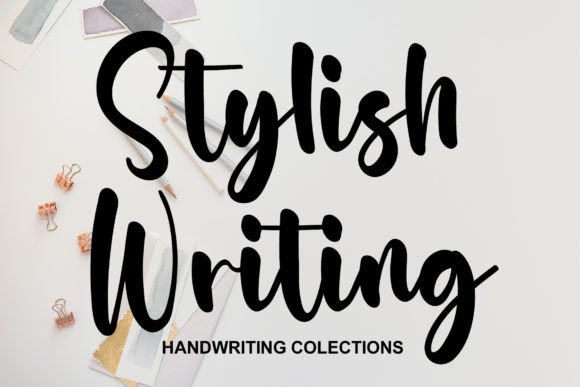
In the digital landscape where clarity often trumps character, Stylish Writing emerges as a breath of fresh air, offering a handwritten script that bridges the gap between personal touch and professional polish. This font captures the essence of elegant penmanship, providing designers with a tool that injects immediate warmth and authenticity into any project. It is more than just a typeface; it is a visual voice that speaks of creativity and attention to detail.
The Psychology of Handwritten Typography
Typography is a fundamental pillar of visual design, and the choice of font significantly influences how a message is received. While sans-serifs command attention in user interface design and serifs suggest tradition in editorial layouts, handwritten scripts like Stylish Writing evoke emotion. They trigger psychological responses associated with intimacy, trust, and human connection. In an era dominated by automation, a script font suggests that a real person crafted the message, making it an invaluable asset for branding and user experience (UX).
Practical Applications Across Design Disciplines
The versatility of Stylish Writing allows it to adapt to various creative contexts, enhancing visual hierarchy and aesthetic appeal. Its graceful demeanor makes it suitable for a wide range of applications where a personal touch is required.
- Logo Design and Brand Identity: Stylish Writing excels in creating distinct logos for lifestyle brands, boutique agencies, or artisanal products. It establishes a brand identity that feels approachable and bespoke.
- Social Media Graphics: In the fast-scrolling world of social media, handwritten typography breaks the visual monotony. It is perfect for quotes, call-to-action overlays, and story highlights, adding a layer of authenticity that static fonts often lack.
- Web and UI Design: When used sparingly, script fonts guide the user's eye effectively. Use Stylish Writing for hero section headlines or pull quotes to contrast with functional body text, improving the overall visual hierarchy.
- Packaging and Print Design: From wedding invitations to product packaging, this font adds a romantic allure. It signals quality and care, suggesting that the contents are as curated as the exterior design.
Integrating Stylish Writing into Your Design Workflow
To maximize the impact of Stylish Writing, it is essential to apply it with strategic intent. Typography selection should always align with the project's goals and the target audience's expectations. Here are actionable tips for integrating this font into your creative assets:
- Prioritize Readability: While decorative, ensure the script remains legible at the intended size. Avoid using Stylish Writing for long paragraphs of body copy; reserve it for headers, subheaders, or accent text.
- Balance with Neutral Fonts: Pair Stylish Writing with a clean sans-serif or serif font. This contrast creates a dynamic visual design that is easy to navigate. For example, use the script for the main title and a geometric sans-serif for the details.
- Consider the Color Palette: Handwritten fonts often look best with soft, muted tones or high-contrast colors against clean backgrounds. Ensure the color palette complements the whimsical nature of the typography without overwhelming it.
- Test for Scalability: Before finalizing your design, check how the font renders across different devices and print sizes. A font that looks beautiful on a large monitor must still be recognizable on a mobile screen.
Ultimately, the success of any design project lies in the harmony of its elements. Stylish Writing offers a unique opportunity to elevate creative projects, transforming standard layouts into engaging visual narratives. By thoughtfully incorporating this resource, designers can enhance communication, strengthen brand loyalty, and deliver a polished, professional presentation that resonates deeply with the audience.