The Artistic Touch: Elevating Modern Design with Handwritten Script
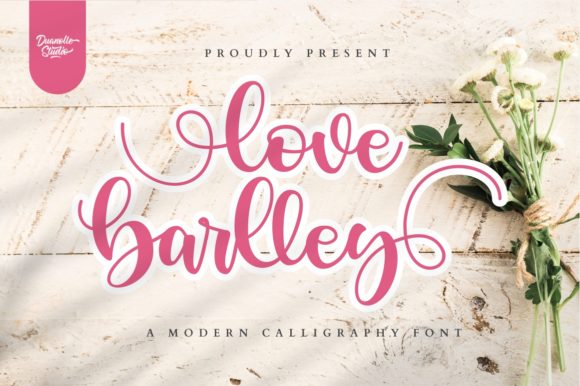
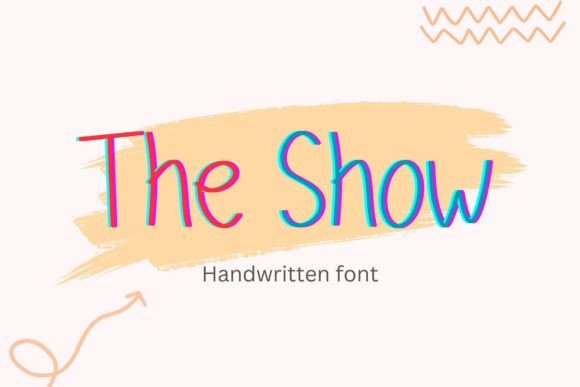
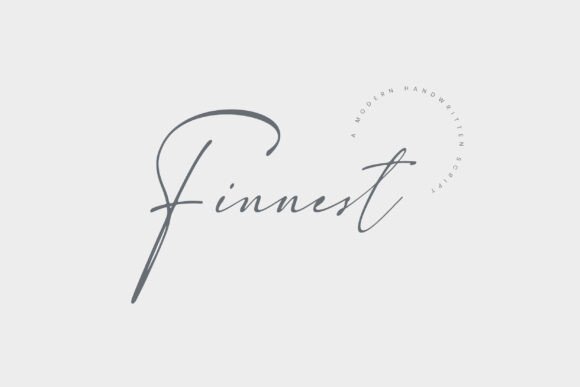
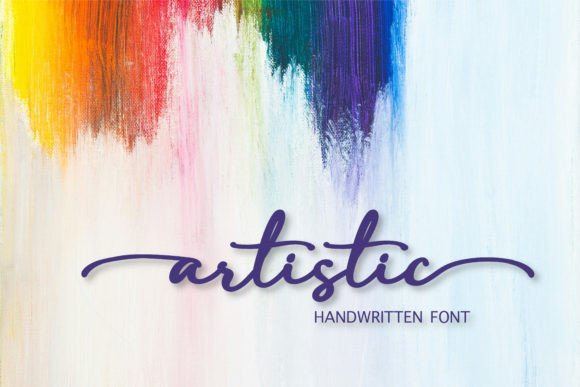
In a digital landscape saturated with clean lines and uniformity, a single, artfully crafted word can stop a viewer in their tracks. This newest handwritten script font embodies that very principle—a charming blend of elegance and personality designed to inject warmth and authenticity into any creative project. For designers and creators seeking to break through the noise, this font offers a direct line to emotional connection.
Understanding the Role of Artistic Typography
In modern graphic design, typography is far more than just legible text; it's a fundamental pillar of visual communication. An Artistic typeface, particularly a well-crafted script, serves as a powerful tool for conveying tone, emotion, and brand personality. Where a sans-serif font might communicate efficiency and modernity, a handwritten script speaks to craftsmanship, intimacy, and human touch. This distinction is crucial for building a memorable brand identity that resonates on a personal level.
The true value of such a font lies in its ability to enhance a project's visual hierarchy. Used strategically, it draws the eye to key headlines, logos, or calls-to-action, creating a focal point that guides the viewer's journey through the design. Its graceful strokes and natural flow add a layer of sophistication, making it a versatile asset across a spectrum of visual styles.
Practical Applications Across Creative Projects
This font's versatility is its greatest strength, allowing it to adapt seamlessly to numerous applications. Its meticulous design ensures it performs beautifully in both large display settings and smaller, contextual uses, provided readability is always considered.
- Branding and Logo Design: Instantly conveys a brand's artisanal quality, approachability, or luxury. Perfect for boutique businesses, lifestyle brands, and service-based companies wanting to appear personal and trustworthy.
- Packaging Design: Creates shelf appeal by adding a handmade, premium feel to product labels, boxes, and wrappers, especially for artisanal foods, cosmetics, and craft goods.
- Marketing Materials & Social Media: Makes social media graphics, email headers, and advertising campaigns feel more engaging and less corporate. It's ideal for quotes, promotional messages, and event announcements.
- Wedding Stationery & Invitations: The quintessential use case. Its elegance and warmth are perfect for crafting timeless invitations, thank-you cards, and event signage that feel bespoke and heartfelt.
- Web and UI Design: When used sparingly, it can add a unique accent to website headers, landing pages, or UI elements, breaking the monotony of standard web fonts and enhancing user experience with a touch of personality.
- Editorial and Print Design: Elevates magazine layouts, book covers, and posters by providing a dynamic contrast to body text, enriching the overall composition and visual interest.
Integrating Script Fonts into Your Design Workflow
To leverage such a creative asset effectively, consider these practical design tips:
- Prioritize Readability: The most beautiful script font fails if it can't be read. Test it at various sizes and ensure high contrast with its background. Avoid using it for long paragraphs of body copy.
- Balance with Complementary Fonts: Pair the script with a clean, neutral font (like a simple sans-serif or serif) to maintain legibility and create a balanced visual hierarchy. Let the script be the star, not the entire cast.
- Consider the Context: Align the font's style with your project's goals and audience. A whimsical script suits a children's brand, while a more structured, elegant script fits luxury goods.
- Ensure Scalability: Test how the font renders across different media—from a tiny favicon to a large-format banner. Vector-based formats are essential for maintaining quality at any scale.
Ultimately, the choice of typography is a critical design decision that directly impacts communication and audience perception. Integrating a high-quality, Artistic font into your toolkit is not merely about following a design trend; it's about expanding your ability to tell compelling visual stories. By thoughtfully selecting and applying such creative assets, designers and creators can significantly enhance both the aesthetic appeal and the communicative power of their work, ensuring every project leaves a lasting, authentic impression.