The Timeless Elegance of the Zamila Font
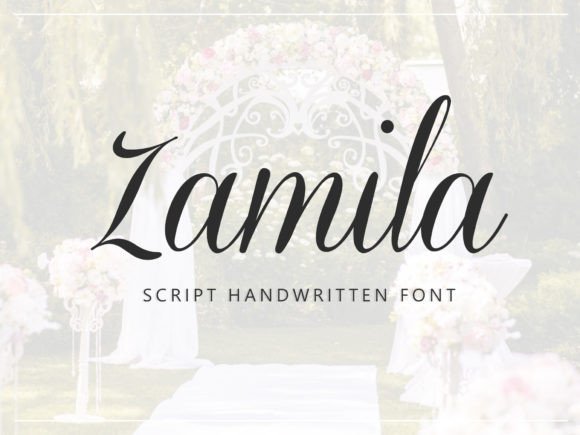
In the crowded landscape of digital typography, finding a font that truly captures a unique voice can transform a good design into an unforgettable one. The Zamila font is one such creative asset, embodying pure elegance and sophisticated charm. It’s not merely a collection of letters; it is a piece of art, with each delicate script stroke reminiscent of exquisite, handcrafted calligraphy.
For designers and brand strategists, the choice of typography is a cornerstone of visual communication. Zamila offers a solution that transcends fleeting design trends, providing a timeless beauty rooted in fluidity and grace. Its curves and loops intertwine seamlessly, creating a sense of movement that captivates the viewer. This makes it an invaluable tool for anyone looking to add a layer of refinement to their creative projects.
Practical Applications for Modern Design
The versatility of a script font like Zamila allows it to enhance a wide array of design contexts. Its primary strength lies in its ability to evoke emotion and establish a premium aesthetic instantly. When applied thoughtfully, it elevates the perceived quality of the final product, whether digital or print.
Elevating Brand Identity and Logo Design
A brand's logo is its most critical visual asset. Using Zamila for logo design can immediately position a brand as luxurious, bespoke, or artisanal. It is particularly effective for businesses in the wedding industry, high-end boutiques, beauty brands, and lifestyle blogs. The font’s intricate details create a strong visual hierarchy when paired with a clean sans-serif, allowing the brand name to stand out with personality and poise.
Enhancing Digital and Print Marketing
Beyond logos, Zamila shines in marketing materials where first impressions are paramount. Consider its impact on:
- Social Media Graphics: Create scroll-stopping quotes, announcements, and headers that feel personal and curated.
- Invitations and Event Collateral: From digital invites to printed menus, the font adds a ceremonial touch.
- Packaging Design: On product labels, Zamila communicates craftsmanship and attention to detail, influencing user experience at the point of sale.
- Editorial Design: Use it for pull quotes or chapter headings in magazines and books to break up text and add visual interest.
Integrating Typography into Your Design Workflow
While a font like Zamila is a powerful creative resource, successful implementation requires a strategic approach to graphic design. Typography does not exist in a vacuum; it interacts with the color palette, imagery, and overall composition of a project.
To ensure Zamila contributes positively to your design workflow, consider these practical tips:
- Prioritize Readability: Script fonts are best used for headlines, accents, or short phrases rather than long body copy. Ensure the text remains legible across different screen sizes, particularly in UI design and web design.
- Manage Visual Hierarchy: Because Zamila is visually dense, balance it with ample white space and simpler typefaces. This contrast guides the reader's eye and prevents the design from feeling cluttered.
- Consider Scalability: Test the font at various scales. A font that looks beautiful in a large header might lose its definition when scaled down for smaller applications. High-quality vector files are essential for maintaining clarity in both digital marketing and large-format print design.
- Harmonize with Color: The delicate nature of Zamila often pairs best with a refined color palette. Soft neutrals, metallics, or deep jewel tones can complement its sophistication without overpowering its intricate strokes.
Ultimately, the goal of any design project is to communicate a message effectively while creating an emotional connection. Thoughtful typography is one of the most potent tools in a designer's arsenal for achieving this. By selecting high-quality assets like the Zamila font, professionals can ensure their work not only looks polished but also resonates deeply with their intended audience, turning simple text into a compelling visual narrative.